The Influence of Digital Editing Tools and Software on Documentary Storytelling
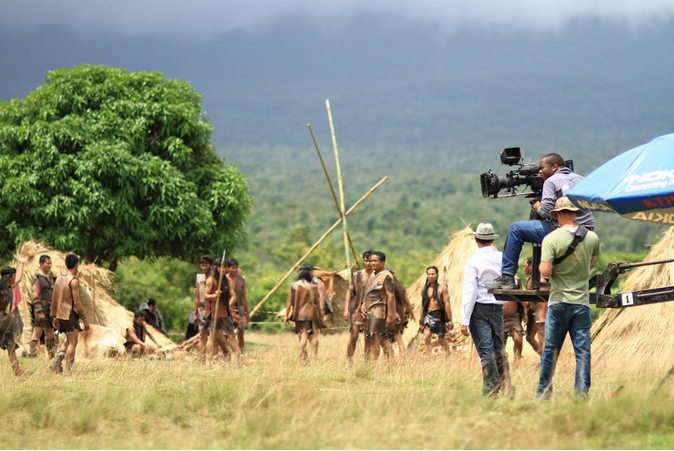
Documentary filmmaking has undergone a remarkable transformation in recent years. The rise of digital editing tools and software has changed how stories are crafted, refined, and presented to audiences. Just as loving lampposts quietly made its way to the right audience, these technologies allow filmmakers to work faster, experiment freely, and produce visually compelling narratives. Editing is no longer a purely technical step. It is a creative process that shapes the emotional and intellectual impact of a documentary. This article explores how digital editing tools influence documentary storytelling and elevate the way stories are told.
Streamlining the Editing Process
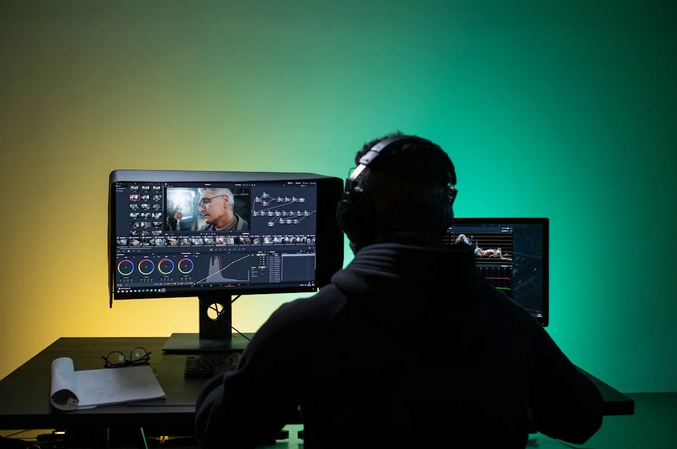
Traditional film editing was labor-intensive and time-consuming. Physical cutting, splicing, and assembly required precision and patience. Digital software simplifies these tasks. Filmmakers can trim clips, arrange sequences, and experiment with transitions instantly. Scenes that once took hours to piece together can now be tested and refined within minutes. This efficiency frees creative energy, allowing filmmakers to focus on narrative flow rather than technical limitations.
Enhancing Visual Storytelling
Visual storytelling is at the heart of documentaries. Editing software provides tools for color correction, stabilization, and image enhancement. These features allow footage to look consistent and professional. Filmmakers can emphasize details, highlight contrasts, and guide viewer attention subtly. Enhancing visuals strengthens the impact of the story while maintaining authenticity. Audiences connect more deeply when images are clear, expressive, and thoughtfully composed.
Experimenting Creative Control
Digital tools encourage experimentation. Non-linear editing software allows filmmakers to rearrange scenes without damaging original footage. This flexibility promotes exploration of multiple storytelling approaches. Filmmakers can try different pacing, sequencing, or juxtaposition of scenes to evoke distinct emotional responses. Experimentation becomes part of the creative process rather than a risky or irreversible choice. The ability to test ideas freely results in more innovative and engaging documentaries.
Integrating Audio and Sound Design
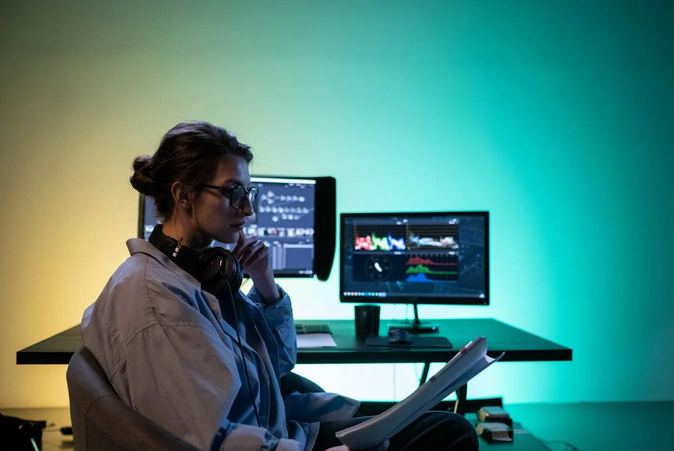
Sound is as critical as visuals in documentaries. Digital editing software enables precise control over audio elements. Dialogue, narration, music, and ambient sound can be adjusted individually. Filmmakers can remove noise, balance levels, and synchronize sound with visuals seamlessly. Well-edited audio enhances immersion and emotional resonance. It ensures that audiences not only see but also feel the story.
Incorporating Archival and Stock Footage
Many documentaries rely on archival or stock footage to provide context. Digital editing tools simplify the integration of diverse sources. Footage of varying resolution, format, or frame rate can be adjusted to match the documentary’s aesthetic. Editors can layer historical clips, graphics, or maps to create a coherent visual narrative. This integration enriches the story and provides viewers with a more complete understanding of the subject.
Improving Story Structure and Pacing
The structure of a documentary greatly affects its effectiveness. Editing software allows filmmakers to rearrange sequences quickly to improve pacing and narrative clarity. Scenes can be shortened, extended, or repositioned to maintain audience engagement. The ability to experiment with structure ensures that stories unfold naturally, creating a rhythm that enhances comprehension and emotional impact.
Collaborating and Considering Workflow Efficiency
Digital editing tools also facilitate collaboration. Cloud-based platforms enable multiple editors, directors, and producers to work on the same project simultaneously. Changes are tracked, feedback is integrated in real time, and versions are easily managed. Collaborative workflows reduce errors, save time, and improve communication. Teams can focus on refining storytelling rather than navigating technical constraints.
Preserving Creative Vision and Authenticity
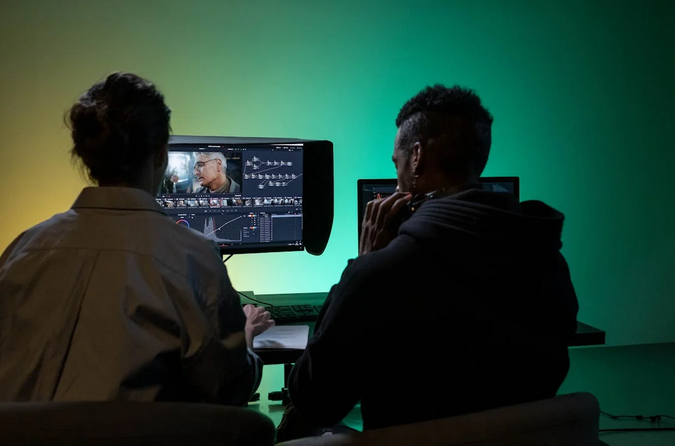
Despite technological enhancements, documentaries must retain authenticity. Digital editing tools empower filmmakers to uphold their creative vision while respecting real events and subjects. Software assists in maintaining factual accuracy through precise cutting, annotation, and version control. Filmmakers can craft a narrative that is both engaging and truthful. This balance between creativity and integrity is essential for producing compelling, credible documentaries.
Digital editing tools have fundamentally reshaped documentary storytelling. From simplifying technical processes to enhancing visual and audio quality, these tools provide filmmakers with unprecedented creative control. Experimentation, collaboration, and efficient workflows allow for the production of documentaries that are engaging, immersive, and informative. Editing software ensures that stories resonate with audiences while remaining authentic and impactful. In today’s digital era, the art of documentary filmmaking is inseparable from the technology that enables it. The result is a unique, expressive medium that continues to evolve and inspire.